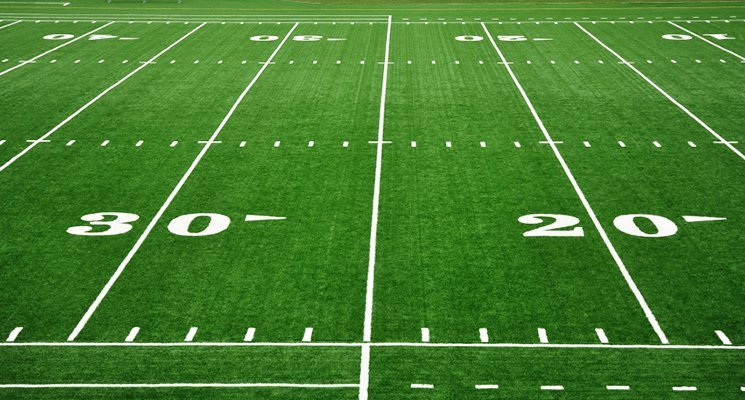
So, you own an ice arena and you worry about lost revenue in the summer. Or, you run an indoor soccer facility and you can’t justify having all soccer, all the time. Or, sometimes you just wish your basketball court had turf. Well, put your mind at ease, because it can. According to an article in Athletic Business magazine, there’s been a recent boom in portable synthetic turf, and new, updated models have hit the market just in the past six months. As the article puts it, “The turf is temporary by design, boasting an ability to be rolled up, removed and later reapplied, or…stacked and stored for future reconnection.”
Portable and temporary turf—it’s a game changer. Manufacturers like AstroTurf, FieldTurf, Ecore, and others report to Athletic Business that demand for the product has exploded. The business director at one such company, Sporturf, said, “It’s one of the fastest-growing segments of our business… The upfront cost to purchase this turf is minimal compared to the cost of [a] facility just sitting there empty.”
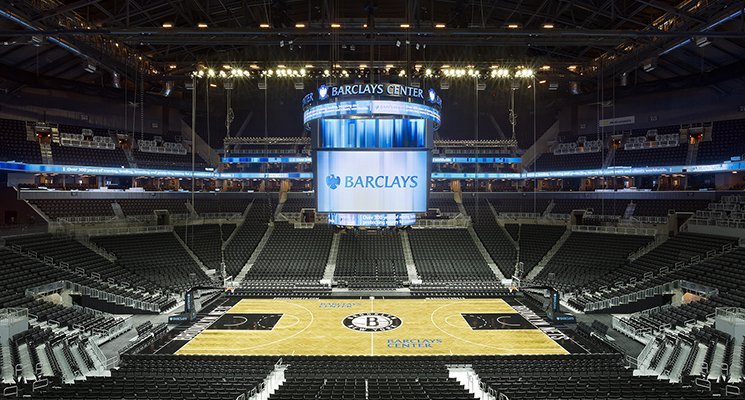
Many different kinds of facilities are employing the product these days, from Houston’s Reliant Stadium—which removes natural grass on which the pro teams play to lay down synthetic turf for high school games—to independent personal training spaces, where, facility owners might want some weight-room flooring on one side and some turf on the other. The Edward Jones Dome in St. Louis, Lucas Oil Stadium in Indianapolis, the Milwaukee Wave’s Major Arena Football League—all these are big-time facilities that regularly use temporary turf to change their floor surface depending on the changing needs of various players.
Interested in portable turf for your own facility but not sure where to begin? Keep in mind that the product comes in two basic forms: rolls and panels. Rolls can vary in width, with some of them measuring 15 feet wide and 200 feet long—great for creating an instant football field. The gigantic ones can be massive enough to require heavy machinery during installation and removal (but even with the cost of machinery factored in, the product saves money in the long run). Panels tend to range in size from seven and a half square feet to 32 square feet, depending on the manufacturer. These can be installed and uninstalled relatively easily, with just a couple of employees—or players—handling even the largest ones. Some temporary turf is held in place with heavy-duty Velcro. Other versions fit together with peg-in-hole fasteners or puzzle-like interlocking edges.
On the whole, manufacturers see portable turf as a way for smaller venues to maximise programming. Consider how such a product might help you maximise your own programming. With a temporary turf surface, could you hold drills for sports teams you’ve never before imagined hosting? Could you keep your facility running for an entire season during which you usually shut your doors? Could you expand your offerings and thereby revolutionize your entire brand identity? With a product that has the power to transform both your physical space and your customers’ ideas about you, it’s worth considering exactly how you might make use of it.